What is it and can I maintain it?
Disclaimer: This blog post contains affiliate links.
It is important to consult with your healthcare professional before making any changes to your diet. This blog post represents the personal views of one individual and should not be used as a substitute for medical or professional nutritional advice. While every effort has been made to ensure the accuracy of the information provided, the writer cannot be held responsible for any inaccuracies.
The ketogenic diet, or simply “keto” for short, is a low-carb, high-fat diet that has become increasingly popular in recent years. The basic principle of the keto diet is to shift your body into a state of ketosis, in which it burns fat for fuel instead of glucose from carbohydrates. This can lead to a variety of health benefits, including weight loss, improved energy levels, and reduced inflammation.
What is Ketosis?
Ketosis is a metabolic state in which the body uses ketones, a type of molecule produced from the breakdown of fats in the liver, as its primary source of energy instead of glucose (sugar). This state is achieved when carbohydrate intake is restricted or when the body is unable to use glucose for fuel, such as during periods of fasting, prolonged exercise, or a low-carbohydrate diet like the ketogenic diet.
When the body is in ketosis, it produces ketones from stored fats and uses them for energy instead of glucose. This can result in weight loss and other health benefits, such as improved insulin sensitivity, reduced inflammation, and increased mental clarity. However, it is important to note that ketosis should only be achieved through a well-planned and balanced approach to nutrition, as severe carbohydrate restriction can have negative health consequences.
How do I know is my body is in Ketosis?
There are several ways to determine if your body is in ketosis:
- Urine test strips: You can use urine test strips that measure the amount of ketones in your urine. These strips are dipped into a urine sample and change color to indicate the level of ketones present. However, it is important to note that these strips are not always accurate and can sometimes give false readings.
- Blood ketone meter: A blood ketone meter is a more accurate way to measure the level of ketones in your body. This device uses a small needle to draw a blood sample, which is then analyzed for the level of ketones present.
- Breath ketone meter: A breath ketone meter measures the amount of acetone, a type of ketone, in your breath. You blow into the device and it measures the level of acetone present.
- Symptoms: Some people may experience symptoms when their body enters ketosis, such as increased energy, decreased appetite, and a fruity odor on their breath. However, these symptoms are not always reliable indicators of ketosis and can vary from person to person.

It’s important to note that being in ketosis does not necessarily mean that you are following a healthy diet, and it is important to follow a balanced approach to nutrition to ensure that you are getting all of the necessary nutrients your body needs. Additionally, it’s always a good idea to consult with a healthcare professional before starting a ketogenic diet or any other dietary changes.
So, what foods should you eat on the keto diet?
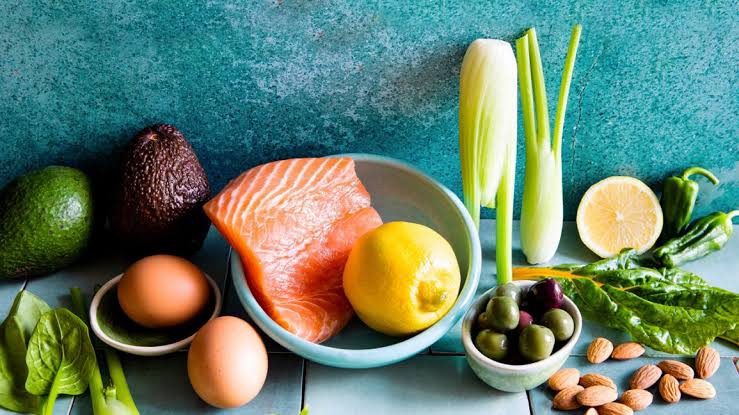
You’ll want to focus on foods that are high in healthy fats and low in carbohydrates. This means eating plenty of meats, fish, nuts, seeds, and oils, while avoiding starchy vegetables, grains, and sugary treats. Some good examples of foods to eat on the keto diet include avocado, salmon, olive oil, coconut oil, and leafy greens.
Here’s an example of what a day on the keto diet might look like:
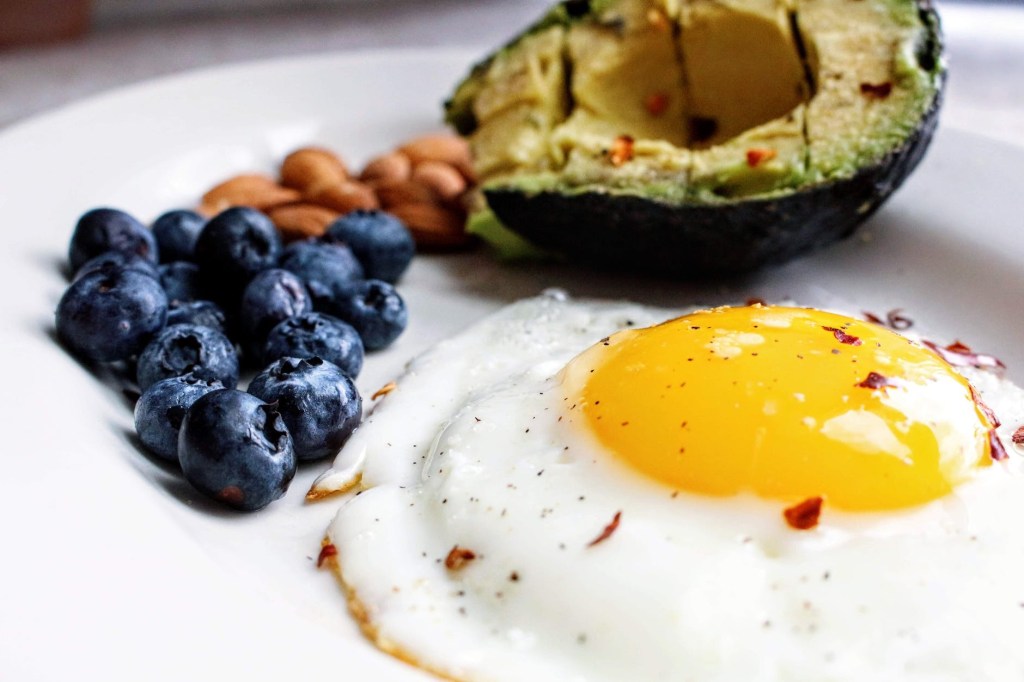
Breakfast: Scrambled eggs cooked in coconut oil, with sliced avocado and a side of bacon.
Lunch: Grilled chicken breast on a bed of mixed greens, with olive oil and lemon dressing.
Dinner: Pan-seared salmon with roasted broccoli and cauliflower, drizzled with olive oil.
Snack: A handful of mixed nuts or seeds, such as almonds, macadamias, or sunflower seeds.
In addition to weight loss and improved energy levels, the keto diet has been shown to have a number of other health benefits. For example, it may help to reduce inflammation, lower blood sugar levels, and improve cholesterol markers.
But can the keto diet be sustained long-term? While it can be challenging to follow such a restrictive diet in the long-term, many people find that they can maintain the keto lifestyle with some careful planning and the help of supportive resources. You may choose to eat a strict keto diet all the time , or even just adopt some of the principles into your everyday life for a more balanced lifestyle and healthier eating plan .

One great resource to help you stay on the keto plan is My Keto Box, a curated box full of treats that are low-carb and keto-friendly and delivered right to your door. With My Keto Box, you can enjoy delicious snacks without breaking your diet.
Here is a list of some Keto diet friendly foods you could try and incorporate into your diet:
- Meat (beef, pork, lamb, chicken, turkey)
- Seafood (salmon, tuna, shrimp, crab, lobster)
- Eggs
- Cheese (cheddar, mozzarella, cream cheese, feta)
- Butter
- Olive oil
- Coconut oil
- Avocado
- Nuts (almonds, walnuts, pecans, macadamia nuts)
- Seeds (chia, flax, sunflower, pumpkin)
- Dark chocolate (70% or higher)
- Vegetables (spinach, kale, broccoli, cauliflower, zucchini, bell peppers, mushrooms, asparagus)
- Berries (strawberries, raspberries, blackberries)
- Unsweetened almond milk
- Cream
- Coconut cream
- Greek yogurt (full-fat, unsweetened)
- Cottage cheese (full-fat)
- Olives
- Pickles
- Mustard
- Mayonnaise (made with olive oil)
- Beef jerky (sugar-free)
- Parmesan crisps
- Almond flour
- Coconut flour
- Psyllium husk
- Cacao nibs
- Coconut flakes
- Bacon
- Sausage
- Minced beef
- Chicken thighs
- Tuna salad (made with mayo and chopped celery)
- Greek salad (lettuce, cucumber, tomato, red onion, feta cheese, olive oil)
- Keto pizza (made with almond flour crust and toppings such as cheese, pepperoni, and veggies)
- Cauliflower rice
- Zucchini noodles (zoodles)
- Portobello mushrooms (grilled or roasted)
- Asparagus wrapped in bacon
Remember that while these foods are keto-friendly, it’s still important to pay attention to portion sizes and to consume them as part of a well-rounded, balanced diet.
In conclusion, the keto diet can be a powerful tool for improving your health and well-being, but don’t beat yourself up if you can’t maintain it 100% of the time.
So why not give it a try and see how it can transform your health and your life?
 Healthy body Happy me
Leave a comment